
CaRCC provides these Q&A-style interviews to help you learn how different institutions structure and manage their Research Computing and Data programs. We are always seeking new programs to feature! If you are an RCD program leader and available to sit for an interview, please contact Stephanie Heidemann (sheidemann-ctr@internet2.edu).

Arizona State University (R1 Institution)
Q&A with Douglas Jennewein
Desert Flower: An RCD Program Fully Blossoms as Its Institution Sees Rapid Growth in Research
With nearly 75,000 students attending its flagship Tempe campus, Arizona State University has seen record enrollment. It also prides itself in having one of the fastest-growing research efforts in the nation. Over the last ten years ASU has nearly doubled research expenditures and currently ranks in the top five for research expenditures among U.S. institutions without a medical school. Total research expenditures reached $905 million in fiscal year 2023 and they are in the process of launching a new medical school. CaRCC had the pleasure of speaking with Douglas Jennewein, Executive Director of the Research Technology Office at Arizona State University to learn how he and his department support such a rapidly growing research enterprise. (Featured November, 2024)
Carleton College (R2 Institution)
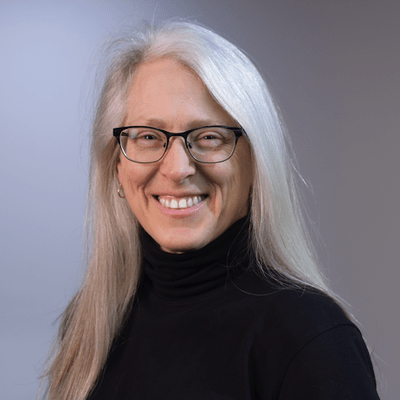
Q&A with Paula Lackie
The Human Side of Data: Building a Legacy of Academic Technology and Research Support at Carleton College
Carleton College is a small private liberal arts college in Northfield, Minnesota known for its rigorous academic environment and collaborative spirit. With approximately 2,100 students, Carleton has a deep commitment to undergraduate research, and has long navigated the unique challenge of providing high-level technical support within a small-scale setting. CaRCC spoke with Paula Lackie, Academic Technologist for Data at Carleton College, to learn how a 1991 “faculty revolution” paved the way for a human-centered approach to research computing and data that continues to empower students and faculty today. (Featured May 2026)

Cornell University (R1 Institution)
Q&A with Rich Knepper
Finding the Sweet Spot: How Cornell Provides Reliable, High Quality Services While Maintaining Time to Grow and Innovate
Nestled in the picturesque Finger Lakes region of upstate New York, Cornell University is an Ivy League and Land Grant institution renowned for its engineering and medical research. In the fiscal year 2023-2024, it reported $1.22 billion in funded research. CaRCC spoke with Rich Knepper, Director of the Center for Advanced Computing (CAC), to learn more about the services and support they offer to Cornell researchers. (Featured March 2025)

Northwestern University
(R1 Institution)
Q&A with Jackie Milhans
Growing a Research Computing Powerhouse: How Northwestern’s Team Tripled in Size While Staying True to Its Values
Set on the shores of Lake Michigan in the northern Chicago suburb of Evanston, Illinois, Northwestern University is an undeniable research powerhouse, with a Carnegie Classification of R1 and funded projects totaling more than $1 billion in fiscal year 2024. This private institution is home to 90 school-based research centers and 35 university research institutes and centers. CaRCC sat down with Jackie Milhans, Director of Research Computing and Data at Northwestern, to learn how she and her team support such a dynamic research enterprise. (Featured February 2025)
The College of New Jersey
(R2 Institution)
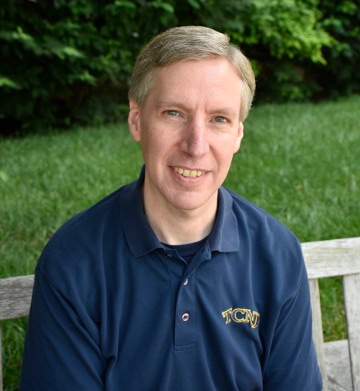
Q&A with Shawn Sivy
The Power of One: How TCNJ’s ELSA Cluster Bridges the Gap Between Classroom and Research
Located in Ewing, New Jersey, The College of New Jersey (TCNJ) is a highly ranked public college known for its rigorous undergraduate programs and commitment to student-faculty research. While primarily a teaching-focused institution with approximately 7,000 students, TCNJ was recently designated as a Research College and University (RCU) in the Carnegie Classification framework, reflecting its average annual research expenditure of approximately $2.7 million. Central to this research mission is the Electronic Laboratory for Science and Analysis (ELSA) high-performance computing (HPC) cluster. (Featured April 2026)

University of California, Merced
(R1 Institution)
Q&A with Sarvani Chadalapaka
Small Team, Big Impact: UC Merced’s Research Computing Journey
Located in California’s Central Valley, the University of California, Merced is the newest campus in the UC system and is rapidly growing toward R1 research status. CaRCC spoke with Sarvani Chadalapaka, Director of Cyber Infrastructure and Research Technologies (CIRT) at UC Merced, to learn how her team supports computational research while making HPC accessible to a diverse student population. (Featured April 2025)

University of Hawaii System
(R1 Institution)
Q&A with Sean Cleveland
Island Innovation: How the University of Hawaii’s Research IT Team Spans Oceans and Disciplines
Set across 10 campuses on four Hawaiian islands, the University of Hawaii System presents unique challenges and opportunities for providing research computing support. CaRCC spoke with Sean Cleveland, Interim Director for Cyberinfrastructure at the University of Hawaii System, to learn how his team delivers high-performance computing and research software engineering across this distributed environment. (Featured May 2025)

University of Oklahoma (R1 Institution)
Q&A with Henry Neeman
The Power of Human Connection: How Talking With a Friend During a Time of Loss Led to Creation of the Enviable OSU Supercomputing Center
With a flagship campus in Norman, a flourishing suburb of Oklahoma City, The University of Oklahoma (OU) might not be your first thought when it comes to academic research. But at the time of our interview, OU is experiencing impressive growth, reporting a 33% increase in research funding in fiscal year 2023. CaRCC had the pleasure of speaking with with Henry Neeman, director of the University of Oklahoma (OU) Supercomputing Center for Education and Research (OSCER) to learn how he got his start in the field and how his program is working to serve the needs of OU’s growing number of researchers. (Featured December, 2024)
Wake Forest University (R2 Institution)
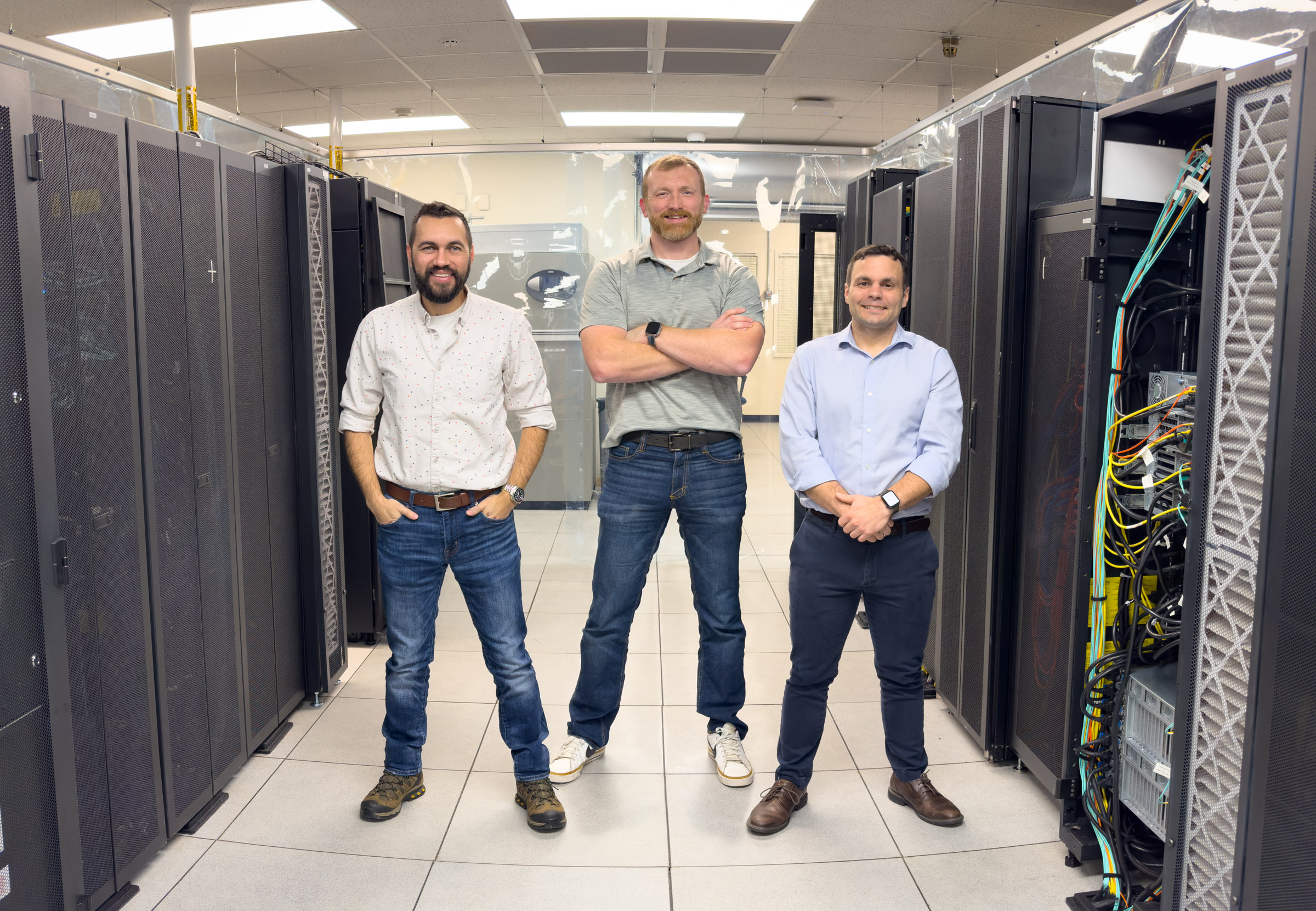
Q&A with Sean Anderson
From Systems to Service: How Wake Forest’s Three-Person HPC Team Puts People at the Center of Research Computing
Located in Winston-Salem, North Carolina, Wake Forest University (WFU) is a premier collegiate university that balances a deep commitment to undergraduate education with a rapidly growing research portfolio. As an R2: High Research Activity institution, Wake Forest operates with a distinct mission: providing high-level resources while maintaining the personalized mentorship of a smaller campus. At the center of this mission is the Distributed Environment for Academic Computing (DEAC) Cluster. CaRCC spoke with the High Performance Computing (HPC) team at Wake Forest to discuss how a lean, centrally funded team of three supports eighteen departments and prepares students for the modern STEM workforce. (Featured March 2026)
Washington & Lee University
(R2 Institution)
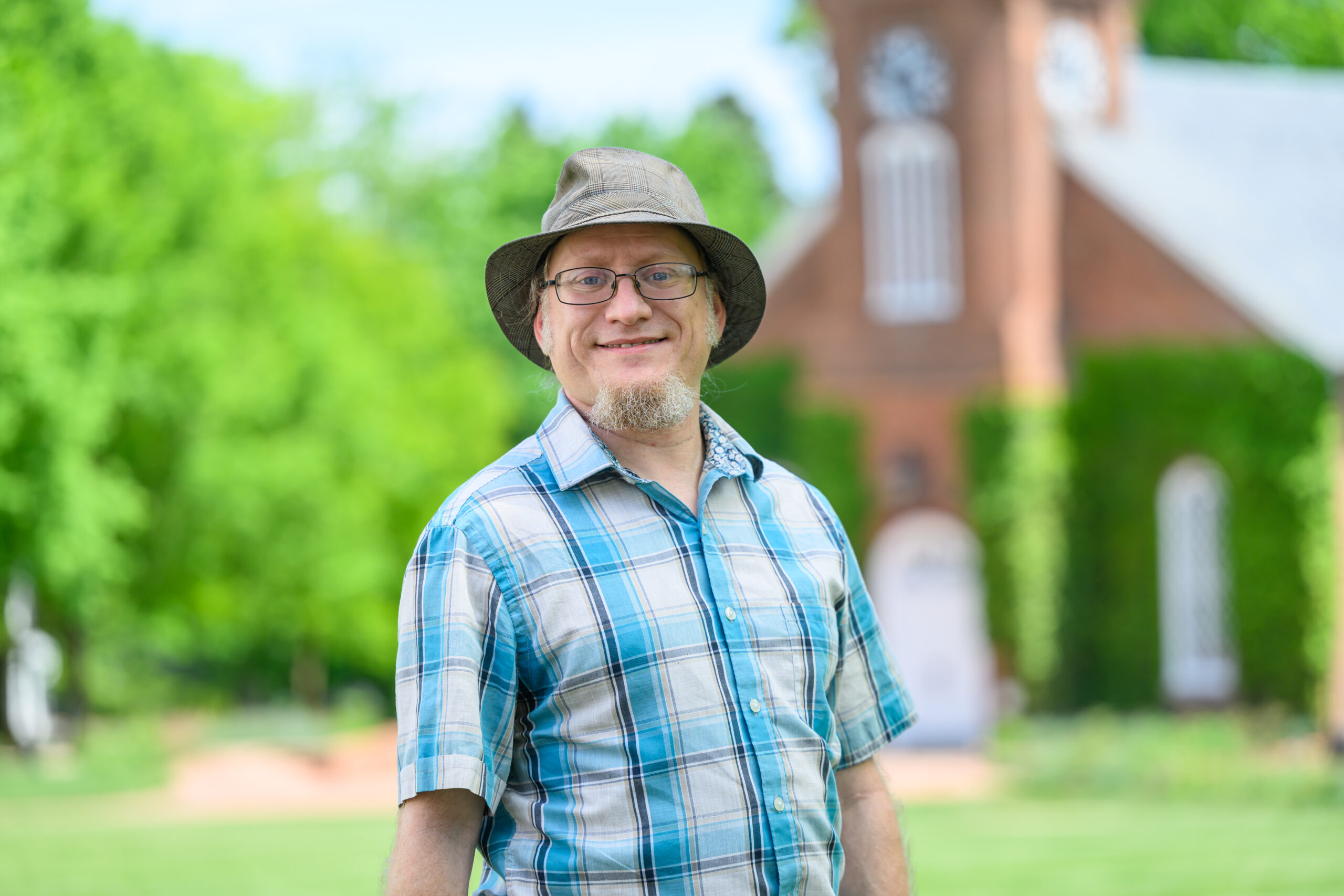
Q&A with Tom Marcais
Quantum in the Mountains: How Washington and Lee University Scales the Research Frontier with a Team of One
Located in the historic town of Lexington, Virginia, Washington and Lee University (W&L) is a private liberal arts institution known for its rigorous academics and unique teaching-first mission. CaRCC spoke with Tom Marcais, Research Computing Administrator at W&L’s Research Computer and Data (RCD) program, to learn how a “team of one” leverages national cyberinfrastructure and a desktop quantum computer to bridge the gap between scientific intuition and computational reality. (Featured June 2026)