
This summer, CaRCC chartered the Community Advisory Group (CAG), a “brain trust” that advises the CaRCC Chairs and Board of Directors. CaRCC leadership invites members from across the Research Computing and Data (RCD) community based on their leadership, expertise, and institutional memory. Together, they bring the strategic perspective, technical insight, and continuity that keep CaRCC’s programs and operations relevant and impactful. We’re pleased to introduce the group’s inaugural members.
We asked the CaRCC Advisory Group members what excites them most about CaRCC, and why shared community is so important. Here’s what they had to say:
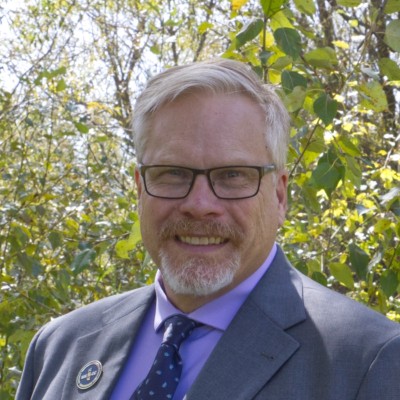
Al Anderson, Minority Serving Cyberinfrastructure Consortium (MS-CC)
What excites me most about CaRCC is the opportunity it provides for all the people working in the RCD world to have a space to connect and share. I think this is the most powerful thing that organizations like CaRCC can do. In terms of my background and the schools I serve as a participant in the MS-CC, there is often a single person wearing multiple hats in terms of supporting RCD efforts and resources. It can be very lonely and frustrating trying to move things. Having a community where you can find information about what is working and not working, potential resources, and have a place where people just listen and understand the work – that is so important.
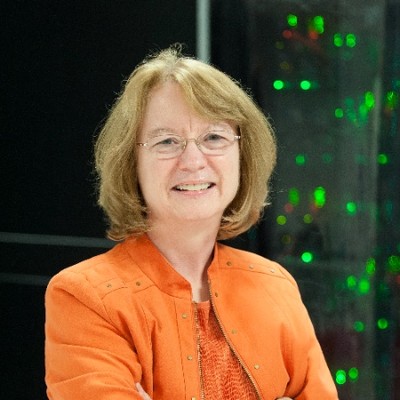
Amy Apon, Clemson University (Retired)
What excites me most about CaRCC is that it reaches people across the entire country at institutions of all types. You don’t have to be at a research-intensive institution to benefit from campus research computing. Faculty educators, researchers, and professional staff from all types of institutions can find support and learning opportunities, and share their own experiences through CaRCC. CaRCC, CASC and The Quilt complement each other in the cyberinfrastructure ecosystem. CaRCC brings unique contributions to all campuses for the benefit of the national scientific enterprise.

Vanessa Arias Casillas, Claremont McKenna College
What excites me most about CaRCC is being part of a community where people can learn from one another and share what is working at their institutions. There is so much value in connecting with people who are navigating similar challenges around research computing and resources, especially across institutions of different sizes and capacities. Shared community makes it easier to exchange ideas, build relationships, and bring useful knowledge back to our own campuses rather than trying to figure everything out on our own. I especially value being able to engage with institutions of all different sizes while also having a place in the Emerging Centers Track to connect with others who understand the needs and experiences of smaller institutions.
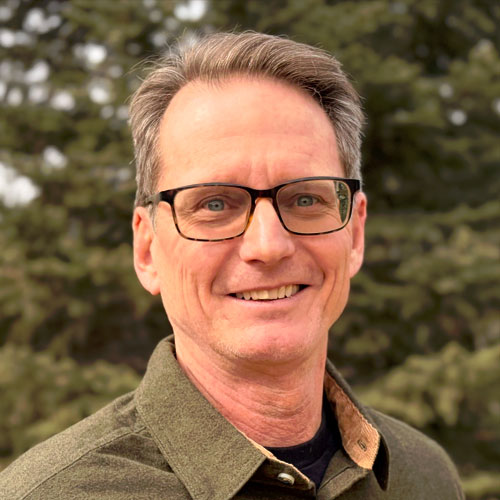
David Hart, Internet2
Working as a research computing and data professional can be a lonely role, especially at smaller institutions where a single individual may wear many RCD hats at the same time. CaRCC provides a community where individuals or small teams can find their people, their peers dealing with the same kinds of problems and perhaps who have already found a solution. CaRCC members are always happy to help others, and you can often find kindred spirits who are willing to collaborate on finding the answers all of you need. Best of all, it’s free — which is critical in tough budget times.

Brian Haymore, University of Utah
The CaRCC community is built on open peer exchange, placing just as much value on understanding the how, what, and why of each other’s approaches as on the final deliverables themselves. It is a genuine “we welcome your difference” space where anyone interested can contribute, regardless of background, role, or experience level, working collectively to lift the entire profession. On a personal level, participating in the Systems-Facing Track and the Workforce Development Interest Group has directly addressed critical needs in my daily work, while hands-on leadership opportunities within the community have fueled meaningful personal and professional growth.
Kathryn Kelley, Coalition for Academic Scientific Computation (CASC)
What excites me most about CaRCC is how it builds community among the practitioners, facilitators, and systems professionals who make research possible. Shared community matters because no one in this field succeeds alone, and the strongest ecosystems are ones where institutional leaders and practitioners work in concert. That’s why CASC sees CaRCC as an essential partner. CASC convenes center directors and university leaders to shape governance and strategy, while CaRCC convenes research computing and data professionals to build workforce capacity and share practice. Together, we lift the entire research ecosystem.
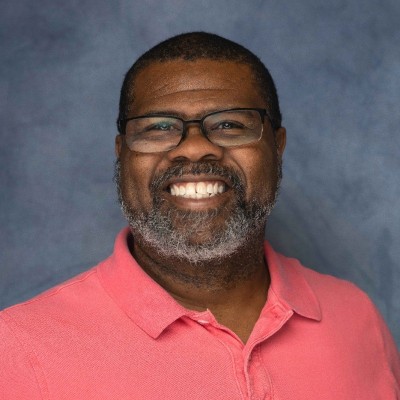
Vernard Martin, Georgia Institute of Technology
What excites me most about CaRCC is the opportunity to collaborate and converse with like-minded research computing professionals across a wide range of topics. I finally feel like I am where I belong. Having worked across academia, the corporate world, and government contracting, I have experienced diverse environments. I loved the freedom to learn in academia, but I also valued seeing my efforts make a tangible, real-world impact during my time as a contractor at the Centers for Disease Control and Prevention (CDC). Working in the RCD space truly gives me the best of both worlds. A shared community enables groups to leverage their collective strengths to overcome individual challenges. Additionally, the power of “if you see it in others, you know it’s possible” cannot be understated. This form of representation extends beyond traditional concepts of gender, race, and ethnicity; it fosters a sense of collaboration and the open exchange of ideas that might not otherwise exist. It is the ultimate research melting pot.

Henry Neeman, University of Oklahoma
As a de facto professional organization for RCD professionals, CaRCC is one of the key national organizations supporting these professionals to reach the highest levels of achievement in their roles. Having a community of peers nationwide is crucial to the success of RCD organizations.
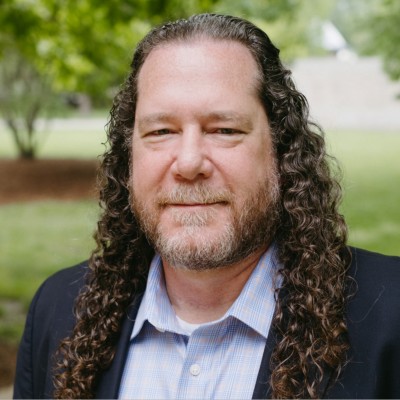
John Towns, National Center for Supercomputing Applications/University of Illinois Champaign/Urbana
Having been part of this community since the days of ACI-REF, I’ve watched CaRCC grow and mature, and its evolution into a nonprofit was an important step. CaRCC has notably helped to bring some coherence to the RCD community, a community that is still emerging on the broader scene. As we look ahead, the central question is sustainability: where will our revenue come from? Will we move toward a membership model, continue to rely on NSF funding, or draw on a mix of grants and gifts? Whatever the path, CaRCC needs a durable, self-sustaining financial foundation to carry this community forward.
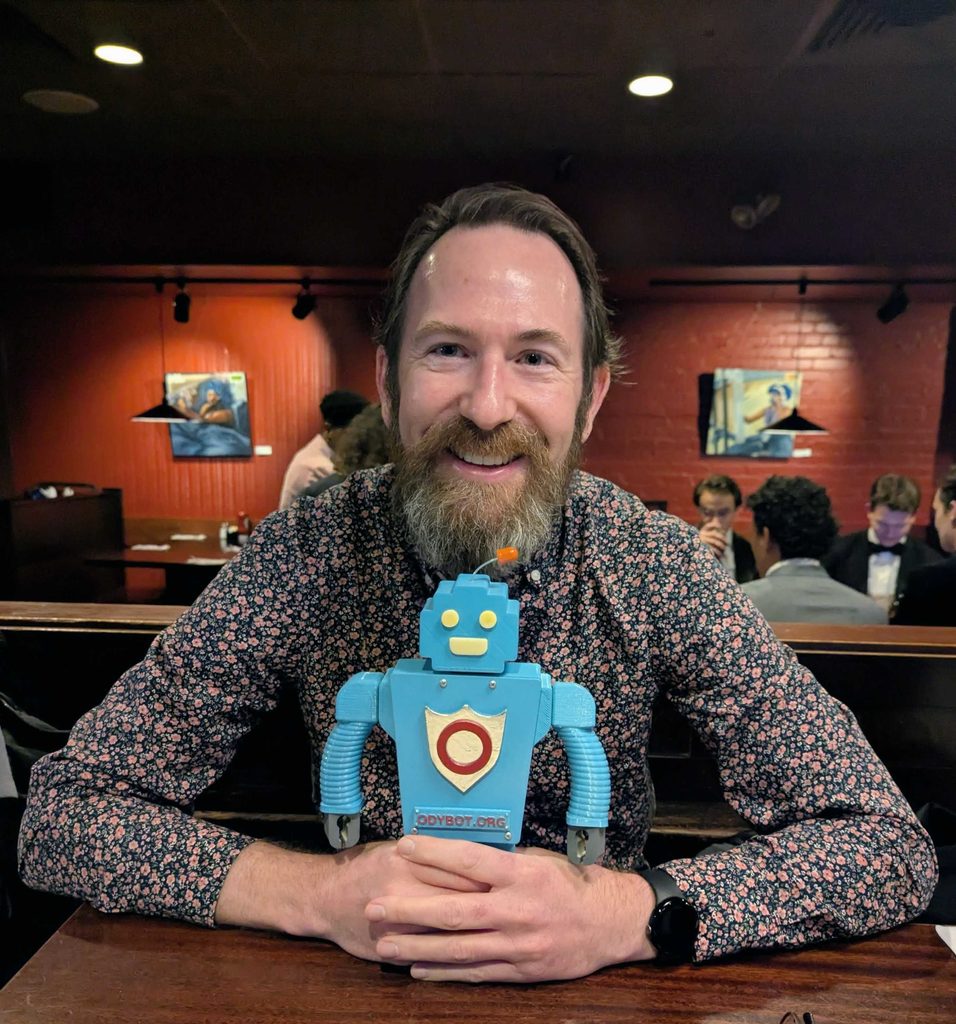
Scott Yockel, Google Cloud Private Sector
For over a decade CaRCC has been my professional “home”. Collectively we have built this organization from the ground up, which is known for fostering community and producing artifacts that enrich RCD professionals and the institutions that they serve. We have done this as a grass roots organization, through volunteers organizing calls, workshops, and working groups with membership that has grown into the thousands. In our recent Annual Retreat, a third of these volunteers were new, which is a testament to the value CaRCC brings to these individuals and the RCD community at large. I look forward to the next decade, where we continue to mature the organization into a self-sustaining, professional organization for RCD professionals of today and tomorrow.